Temples

tn c6

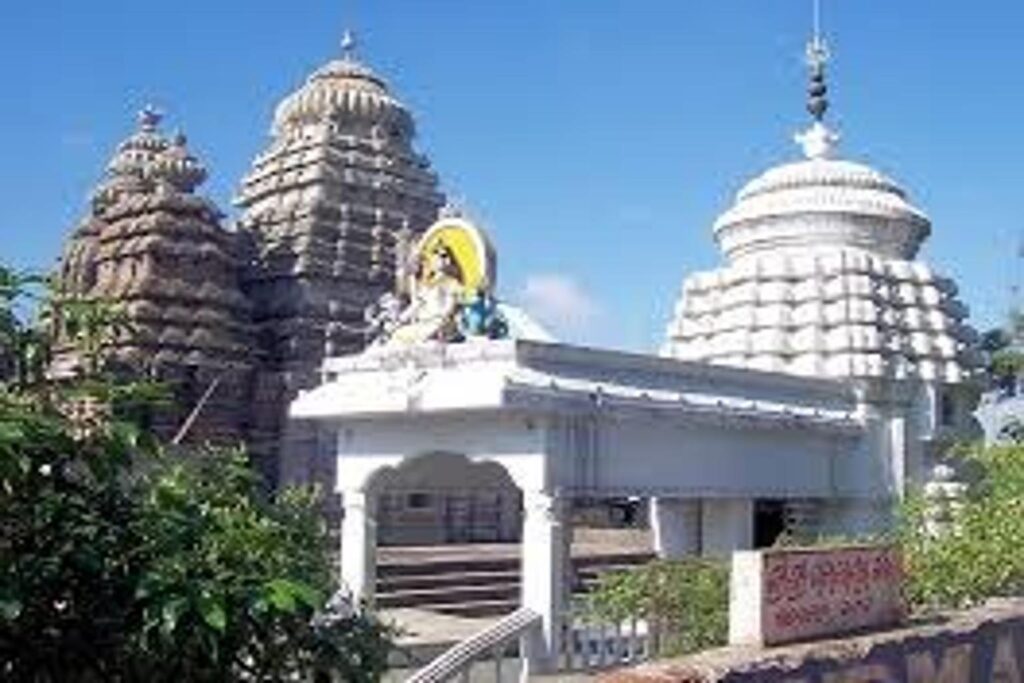
Shree Maa Budhi Thakurani

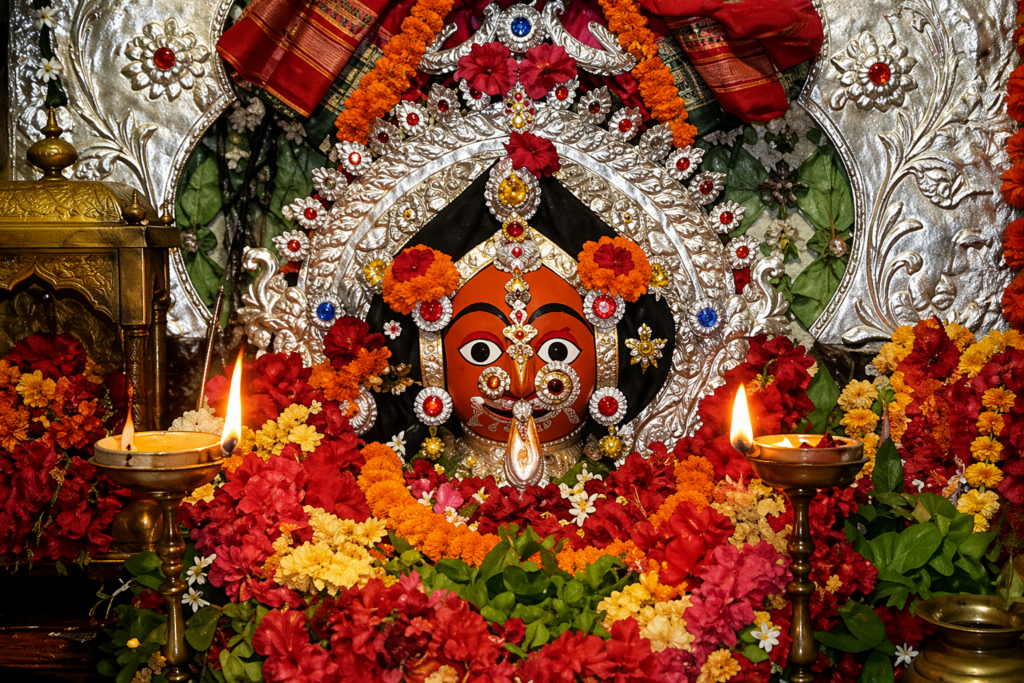
Shree Maa Budhi Thakurani Temple is one of the most revered shrines in southern Odisha, especially in the city of Berhampur. Dedicated to Maa Budhi Thakurani, a powerful form of Goddess Durga, the temple holds deep spiritual and cultural significance for the local people, who worship her as their presiding deity and protector. The name “Budhi Thakurani” translates to “the ancient goddess,” symbolizing wisdom, strength, and divine protection. Devotees believe that Maa Budhi Thakurani safeguards the city and its people from evil forces and blesses them with prosperity, health, and happiness. The temple is believed to have been established centuries ago and is closely associated with the royal family of Berhampur. According to local traditions, the goddess was brought from a nearby village and installed in the city, where she gradually became the central deity of the region’s spiritual life. Architecturally, the temple is simple yet spiritually powerful. Unlike grand temple complexes, Shree Maa Budhi Thakurani Temple reflects traditional local design, focusing more on devotion and rituals than elaborate structures. The sanctum houses the idol of the goddess, beautifully adorned with flowers and ornaments. One of the most significant aspects of the temple is the grand celebration of the Thakurani Yatra, which is one of the largest and most unique festivals in Odisha. Held once every two years, this festival transforms Berhampur into a vibrant center of devotion, culture, and celebration. During Thakurani Yatra, the goddess is taken out in a grand procession through the streets, allowing devotees from all walks of life to seek her blessings. The festival includes traditional music, dance, rituals, and community participation, creating an electrifying and spiritual atmosphere. Daily पूजा (worship) and rituals at the temple are conducted with great devotion. Priests perform regular aartis and offer prayers, while devotees visit the temple to seek blessings for their families, careers, and well-being. The temple remains active throughout the day with spiritual activities. The temple also plays an important role in preserving local culture and traditions. It serves as a gathering place for the community, where people come together not only for religious purposes but also to celebrate their shared heritage and values. The surrounding area of the temple becomes especially lively during festivals, with markets, food stalls, and cultural programs adding to the festive charm. Visitors get to experience both spiritual devotion and the vibrant local lifestyle of Berhampur. Today, Shree Maa Budhi Thakurani Temple stands as a symbol of faith, tradition, and cultural pride. It continues to attract thousands of devotees and tourists who come to witness its divine energy and be a part of its rich spiritual legacy.

Shree Maa Budhi Thakurani Read More »
tn c5

Shree Venu Gopal Swami Mandira

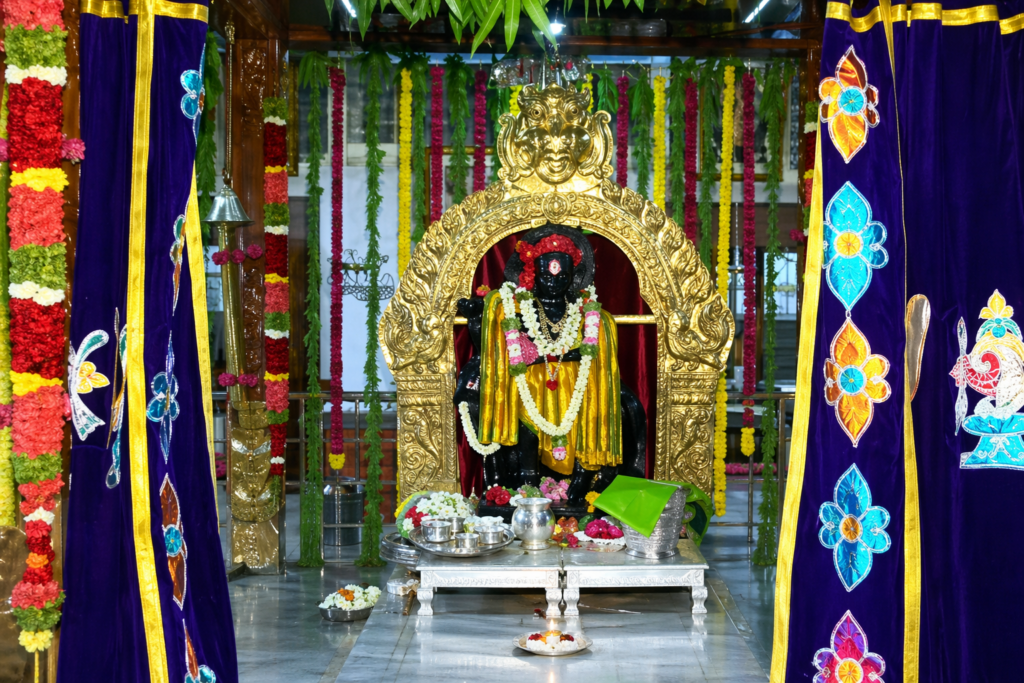
Shree Venu Gopal Swami Mandira is a revered Hindu temple dedicated to Lord Venu Gopal, a divine form of Lord Krishna known for playing the flute and enchanting devotees with his charm. The temple stands as a symbol of devotion, spirituality, and cultural heritage, attracting devotees who seek peace and blessings. The deity worshipped here, Venu Gopal, represents Krishna in his youthful and playful form. Depicted holding a flute, Lord Venu Gopal symbolizes love, compassion, and divine joy. Devotees believe that worshipping him brings harmony, happiness, and prosperity into their lives. The temple holds historical importance and is believed to have been established centuries ago by local rulers and devotees. Over time, it has grown into a significant spiritual center, preserving ancient traditions and rituals that continue to be followed with great devotion. Architecturally, the temple reflects traditional Odishan style, featuring intricate carvings, decorative pillars, and a sanctum that houses the idol of Lord Venu Gopal. Though not as massive as some famous temples, its elegance and spiritual aura leave a lasting impression on visitors. Daily rituals and पूजा (worship) are an integral part of life at Shree Venu Gopal Swami Mandira. Priests perform regular aartis, offer flowers, and chant sacred hymns, creating a divine atmosphere that fills the temple with positive energy and devotion. Festivals play a vibrant role in the temple’s cultural life. Celebrations like Janmashtami, marking the birth of Lord Krishna, are observed with great enthusiasm. The temple is beautifully decorated, and devotees gather in large numbers to participate in prayers, bhajans, and cultural programs. Another important aspect of the temple is its role in promoting devotional music and traditions. Bhajans and kirtans dedicated to Lord Krishna are often sung, reflecting the rich spiritual and cultural practices associated with Krishna worship. The temple surroundings offer a calm and peaceful environment, making it an ideal place for meditation and spiritual reflection. Devotees often spend time in silence, connecting with the divine presence and finding inner peace. The temple also serves as a community hub where people come together during festivals and special occasions. It strengthens social bonds and preserves local traditions, making it an important part of the region’s cultural identity. Today, Shree Venu Gopal Swami Mandira continues to inspire devotion and faith among visitors. Whether one visits for spiritual reasons or simply to experience its serene ambiance, the temple offers a fulfilling and enriching experience rooted in devotion and tradition.

Shree Venu Gopal Swami Mandira Read More »

tn c4.jpg

Shree Dhabaleshwar Shiva Mandir

Shree Dhabaleshwar Shiva Mandir is a revered Hindu temple dedicated to Lord Shiva, located on a serene island in the Mahanadi River near Cuttack in Odisha. Surrounded by lush greenery and flowing waters, the temple offers a peaceful and spiritual atmosphere that attracts devotees and tourists alike throughout the year. The temple is believed to have great historical and mythological significance. According to local legends, the deity of Lord Shiva here is known as “Dhabaleshwar,” meaning the pure or white form of Shiva. Devotees believe that praying at this sacred shrine can cleanse sins and bring peace, prosperity, and well-being into their lives. One of the most distinctive aspects of the temple is its unique location on an island. Visitors can reach the temple either by crossing a suspension bridge or by taking a boat ride across the river. The scenic journey itself enhances the spiritual experience, making the visit memorable and refreshing. The temple’s architecture reflects traditional Odishan style, with a simple yet elegant structure. Though not as grand as some of the larger temples, its charm lies in its tranquility and natural surroundings. The calm environment provides the perfect setting for meditation and devotion. A major highlight of Shree Dhabaleshwar Shiva Mandir is the grand celebration of Bali Yatra and especially the Kartik Purnima festival. During this time, thousands of devotees gather at the temple to offer prayers and seek blessings. The temple area becomes vibrant with rituals, cultural activities, and festive spirit. The temple also observes important Hindu festivals such as Maha Shivaratri with great devotion. On this auspicious occasion, devotees from various parts of Odisha and beyond visit the temple, perform special prayers, and stay awake throughout the night chanting and worshipping Lord Shiva. Another fascinating aspect of the temple is the belief that tying a sacred thread around the temple premises fulfills wishes. Many devotees follow this ritual with deep faith, hoping for their desires to be granted by Lord Dhabaleshwar. The surrounding landscape adds to the temple’s appeal. The Mahanadi River flowing around the island, combined with the greenery and gentle breeze, creates a soothing ambiance. It is not just a place of worship but also a perfect destination for those seeking peace and a break from city life. Accessibility to the temple has improved over the years, making it easier for pilgrims and tourists to visit. The suspension bridge, in particular, offers a safe and scenic route, allowing visitors to enjoy panoramic views of the river and the island. Today, Shree Dhabaleshwar Shiva Mandir stands as a symbol of faith, devotion, and natural beauty. It continues to draw countless devotees who come to experience its spiritual energy and seek blessings from Lord Shiva in a serene and picturesque setting.

Shree Dhabaleshwar Shiva Mandir Read More »

tn c3.jpg

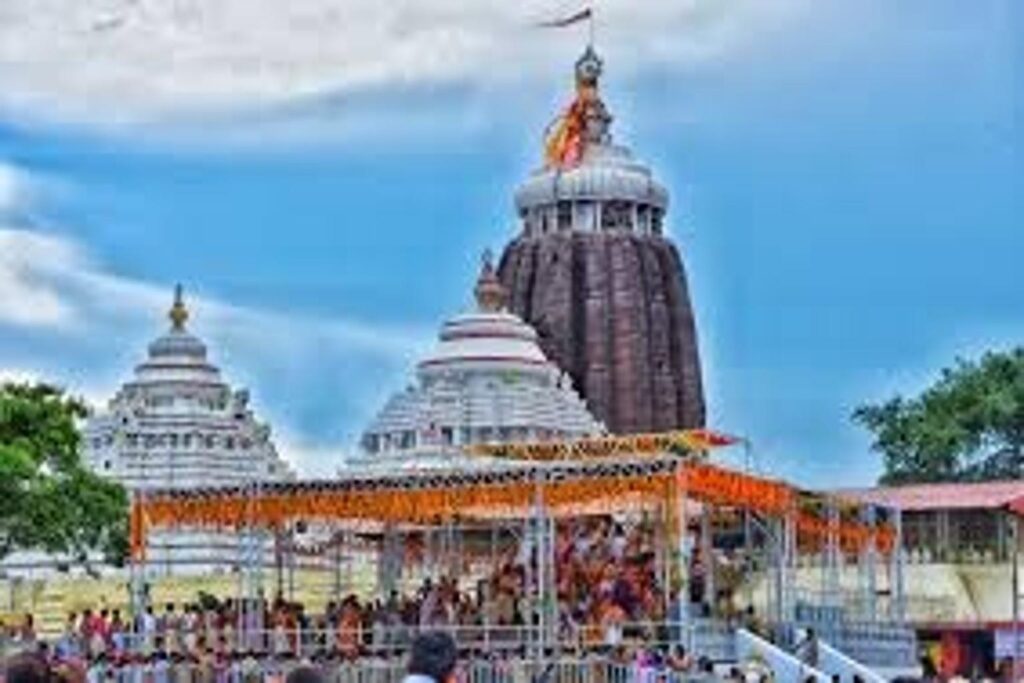
Shree Jagannath Temple

Shree Jagannath Temple is one of the most sacred and iconic Hindu temples in India, located in the coastal town of Puri in the state of Odisha. Dedicated to Lord Jagannath, a form of Vishnu, along with his siblings Balabhadra and Subhadra, the temple is a major pilgrimage destination and a key part of the Char Dham Yatra, which holds immense spiritual importance for Hindus. The temple’s history dates back to the 12th century when it was built by King Anantavarman Chodaganga Deva of the Eastern Ganga dynasty. Over centuries, it has evolved into not just a religious center but also a symbol of Odisha’s rich culture, architecture, and devotion. The temple stands as a testimony to ancient craftsmanship and religious traditions that continue even today. Architecturally, the temple is a magnificent example of Kalinga-style temple design, featuring towering spires, intricate carvings, and massive walls. The main sanctum, known as the Vimana, rises impressively above the complex and is visible from miles away. The temple complex is surrounded by high fortified walls, adding to its grandeur and sense of sanctity. One of the most unique aspects of the temple is the wooden idols of Lord Jagannath, Balabhadra, and Subhadra. Unlike stone idols found in most Hindu temples, these deities are carved from sacred wood and are periodically replaced in a ritual known as Nabakalebara. This rare tradition symbolizes the cycle of birth and rebirth and draws thousands of devotees during the ceremony. The temple is world-famous for its annual festival, the Rath Yatra, also known as the Chariot Festival. During this grand event, the deities are placed on massive decorated chariots and pulled through the streets of Puri by thousands of devotees. The festival attracts millions of pilgrims and tourists from across the globe, creating an atmosphere of immense devotion and celebration. Another remarkable feature of the temple is its kitchen, which is considered one of the largest in the world. Hundreds of cooks prepare Mahaprasad (sacred food) every day using traditional methods. The food is cooked in earthen pots stacked over wood-fired stoves, and it is believed that the taste and quantity of food remain perfect regardless of the number of devotees visiting. The temple follows strict rituals and daily ceremonies that have been practiced for centuries. From early morning prayers to night rituals, every activity is performed with precision and devotion. The priests, known as servitors, belong to hereditary groups and play a vital role in maintaining the temple’s traditions. Interestingly, the temple is also associated with many mysterious beliefs and unique phenomena. For instance, it is said that the temple flag always flutters in the opposite direction of the wind, and the Sudarshan Chakra atop the temple appears the same from any direction. These fascinating aspects add to the temple’s spiritual aura and intrigue. The temple not only serves as a place of worship but also as a cultural hub, influencing Odia art, music, dance, and literature. Festivals, rituals, and traditions associated with the temple have deeply shaped the identity and heritage of Odisha over centuries. Today, Shree Jagannath Temple continues to be a beacon of faith, unity, and devotion. It welcomes millions of devotees each year who come seeking blessings, peace, and spiritual fulfillment. The temple remains a timeless symbol of divine presence and cultural pride in Odisha.

Shree Jagannath Temple Read More »

tn c2.jpg

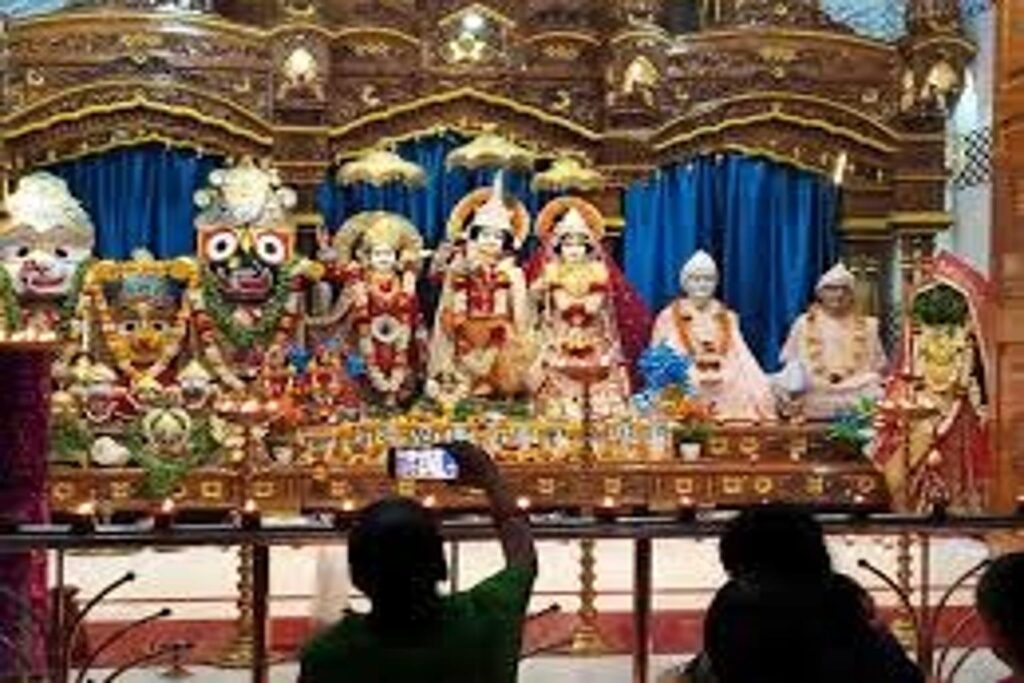
Iskcon

Why we started ISKCON in Brahmapur? Brahmapur is a holy place because Lord Chaitanya Mahaprabhu passed through this place during His south India tour. Around 4 Kms from Brahmapur town there is a village known as “Nimaikhanda” where Mahaprabhu took little rest under a banyan tree near Mishra bandha (pond). Then the villagers took Him to their village where one big neem tree was there and from there, He preached the glories of the Holy name Hare Krishna mahamantra in the near by villages. According to the local legends, one descendant of Mishra fimily got instruction in dream from Chaitanya Mahaprabhu to built a temple for Him, which he built for Sri Chaitanya Mahaprabhu. A namahatta center of ISKCON known as “Hare Krishna satsanga kendra” is functioning in Sri Sri Sri Radha-Radhakanta temple having beautiful deities. In the year of 1986 on the occasion of 500th birth anniversary of Lord Caitanya Mahaprabhu, ISKCON padayatra party toured this village.It was headed by Srila Gour Govinda Swami, H.H. Lokanath Swami and was accompained by H.G. Gour nitai Das. Also in 1998 H.H. Bhakti Vikash Swami visited this village. In the year of 2006 for the second time ISKCON padayatra visited this village headed by H.G. Rupa Goswami Das. By the inspiration of H.H. Gopal Krisna Goswami, H.H. Bhakti Swarup Damodar Swami, H.H. Bhakti Purusottam Swami, H.H. Bhakti Gaurav Narayan Swami, H.G. Bhima prabhu and H.G. Brajahari prabhu, ISKCON has acquired half acres of land at Brahmapur to built a beautiful temple for Sri Sri Sri Radha-Radhakanta Mahaprabhu and a guest house to spread the original message of Srila Prabhupada and Lord Caitanya Mahaprabhu. By the blessings of H.H. Bhakti Caru Swami Maharaj, community here is growing nicely. Next time when you visit Jagannatha Puri, Odisha, Please pay a visit to ISKCON Brahmapur and the village “Nimaikhanda”. Since 1995 H.G. Pancharatna Das from ISKCON, Juhu, Mumbai used to come every year to Brahmapur with the ambition of opening one preaching center. He used to meet the devotees individually and conduct house programs. In 1997 Sriman Kasinatha Panda a resident of ‘Barihabil sahi’ invited him to stay in RadhaKanta temple at Nimaikhanda, and in the mean time he can search for a land for the new preaching center. He still remembers the love and care of Sriman Kasinath panda who served him like a father. From 1997 Pancharatna prabhuji was staying in Radhakanta temple and continuing daily seva-puja over there with the economic crisis. For developing preaching in the city he used to walk 10 kms daily to and fro from Nimaikhanda to save 20 paisa per hour cycle rent. After returning from the city he used to cook for the deity. Every Sunday he arranged lectures, invited students and cultivated them. Although he was with tremendous financial crisis he was very much empathetic towards the devotees and convinced them to be true followers of Srila Prabhupad. Initially the villagers were not favorable at all and used to unnecessarily fight with and blame him. The stones were the gifts and the blood was his achievement for all his preaching. The space is short to accommodate all those days of struggle. In spite of all those difficulties prabhuji had full faith on Krishna and never stepped back. Later on the hearts of Nimaikhanda villagers changed by seeing the patience of prabhuji. After that some of the villagers became devotee of Lord Krishna. He arranged ‘Bhagavat-katha’ every year at Gita Bhavan of Brahmapur where H.G. Gour Narayan Das(now H.H. Bhakti Gaurav Narayan Swami) gave lectures. During that period H.H. Bhakti Vikash Swami also came to Nimaikhanda and preached along with nagar sankirtan. One day Prabhuji, prayed to Sri Radha-Radhakanta mahaprahu to kindly provide one small place so that he can be able to do pure devotional service as per guidelines of Srila Prabhupada. After a few years by the mercy of the Lordship one generous man Mr. Hadubandhu Sahu(now H.G. Haribhakti Das) donated his wife’s half acre land to him. By the request of H.G. Braja hari prabhu, the land was registered in the name of ISKCON in 2006. After getting this land he is still struggling for money, good preaching and with his sickness which comes in his way of success. Some how he has manged to built a temporary temple hall, one kitchen and 3 rooms in the ground floor and 5 spacious rooms in the first floor for the guests. He humbly seeks the blessings of all the readers to serve Srila Prabhupada more and more.

Iskcon Read More »

tn1

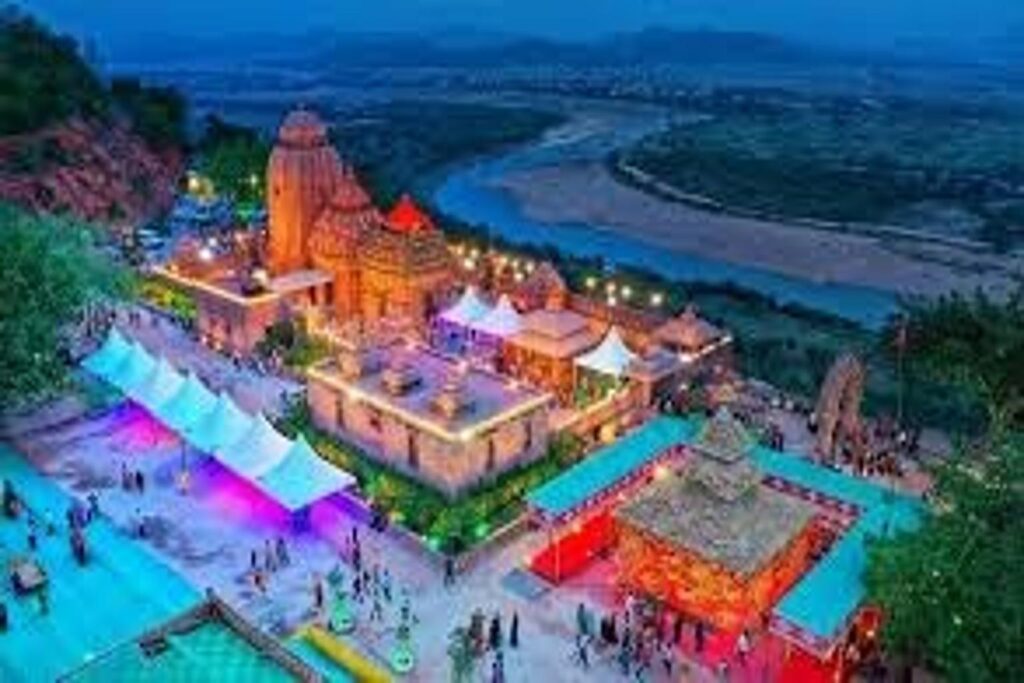
Maa Tara Tarini Temple

TARA-TARINI  :  The Ancient  Shakti Pitha of Orissa             The tradition  of Shakti worship in India  can be traced  back to the period of  antiquity. Shakti is the mother of Universe  the highest primal power transferred to  powerful  Goddess  representing the creative force, Matrika, later  developed to Shakti or  Prakriti  under  various  names of Sati or Devi (Durga / Parvati)ad depicted in Purana-etihasa  and Tantra literature. Worship  of  Shakti , as  a  pan -Indian phenomenon ,  predates  Sanskrit influences of every kind. There  are  a  number  of  important Shakta centers in India Among those Orissa has been considered  to be one of the most  important Shakti centre and  Tara-Tarini at Kumari hills on the bank of River  Rushikulya near  Purushottampur in Ganjam District is one of  the most ancient Shakti  pithas of Orissa.        Goddesses Tara-Tarini have been regarded as the presiding deity(Ista-Devi)in almost every house in  South  Orissa. This important and famous Shakta Pitha is situated on a hill top at a distance of 30 Kms towards north of Brahmapur on the south bank of river  Rushikulya. The  height of the    hill    is approximately  708ft. and the  total area spreading over 180 Acres of land. The hill is popularly known as Tara Tarini Hill(Parvata) and is surrounded   by natural beauty . The picturesque  scenery  of   the temple,from the hill top down to the bank of  river Rushikulya gives  immesse pleasure and a  thrilling experience of nature and divinity to each pilgrim – visitor and often  captivates its mind  and   soul. There are 999  steps on the  front side of the hill leading to  the  temple  and also a pucca road  for vehicle  on the  backside of  the hill facilitating devotees  to   reach  at the  Pitha.  Provisions of electricity, drinking water  and  a  small   market complex at the site with articles of  puja /archana are additional features of this Pitha.           At the hill top in a small but  beautiful temple  appears  the  famous Shrine of Tara-Tarini. Worship at this important centre of Shakta cult has been continuing since time  immeonial . Two  stones anthropomorphized  by  the  addition  of  gold  and silver  ornaments and  shaped  to be seen  as human faces are the main Shrine   of  this  temple  which represents the Goddesses Tara and Tarini.In between them are placed two fully celebrated and  beautiful brass heads  as their Chalanti Pratima. It has been said that from a tribal cult Tara-Tarini have  been transformed into Shakti cult through the process of aryanisation.Of couse the name Tara, the Primordial deity of the Mahayana Budhist Pantheon ,  indicates Budhist influence of element  in  the Tara – Tarini worship which seems to suggest the incorporation of a tribal  cult  and  Buddhist  influence before its Hinduisation.        There are no historical and other records to exactly  show when Tantrika  practices entered into the  Buddhist  faith before 1st  Century  B.C. Some correct  inferences , however , can  be  made  with available literature found in China, Tibet, Sinhala (Srilanka)Nepal and India. The existing  historical records  do  not  go  beyond  the  great   Buddhist Councils successively convened  upto  the reign  of Kaniska. These  great  Councils discussed  the rise of the new  unorthodox canon , as  upheld  by  Maha Sangikas.The  Mahavastu composed during this period show how Mahayanism  emerged  in the  scene  during the 1st Century B.C. and accepted into its fold all the  prevalent religious  doctrine , practices  and belief  of  Buddhism  and  Hinduism as well . Thus, Buddhism in its historical philosophical and social aspects , in its thought  and  resultant  practices accepted and incorporated Hindu Tantra relating to Shakti worship.             It is believed that by the time Ashoka conqured Kalinga Empire he  found it to be a famous centre of Buddhism.Undoubtedly this part of Orissa, particularly Ganjam region on  the  bank  of  river Rushikulya was very active in Buddhist pursuits. It is evident from the   Special Rock  Edit of  Ashoka found at Samapa ( modern Jaugada) ,  the capital of Southern  Kalinga of Ashokan  Empire ,  at  a  mere distance  of 4 Kms.  from Tara-Tarini Hill.  Though the  Special  Rock  Edit of  Ashoka at  Jaugada has nothing  to do   with  Buddhism  as  it  especially addressed  his    officials , the  propagation   of Buddhism in and around this capital city of  Ashoka can  not  be ruled  out .Hence , the probability of worship  of  Tara , the   primordial  deity  of the Mahayana Buddhist  sect  at  Tara-Tarini  Hill  and Tara-Tarini as  a  famous   Buddhist  Tantra  Pitha since  this  time, can be established on the  basis of this  hypothesis. Moreover till date it has been considered as one  of  the  most  important  Tantra Pitha. Interesting  a small image of  of  Buddha in its meditating  sitting posture, present inside the sanctum  sanctorum  of the main  temple  corborates the  claim  of  this site to the ancient  centre of Shakta cult.        Besides the worship of Tara by the Buddhist Tantrikas the  maritime  history  of  Kalinga  also suggest  the  worship  of  Tara  by  the  Sadhavas, merchants and sea-men before  launching  their  sea voyage. Once upon a  time  river   Rushikulya   was conducive to navigation and probably the worship of Tara has been a practice among  the people of  this region  involved in   mari-time   activities . Even some   ruins  of  a brick  foundation   at  village Mukundapur on the south bank of river Rushiklya  at the bottom of Tara-Tarini Hill and  the  so  called Ganda ( deep river )  adjacent to  this  points  to some flourishing maritime activities in this region through river Rushikulya. Hence , on  the  basis of these   evidences  the   worship   of   Shakti   at Tara-Tarini can be traced back to a very old age.         There are many interesting stories, myths legends and folklore relating to the origin of  the Tara-Tarini Shrine  at  the  hill  top.  One of the legends  of the  puranic  tradition  connects  the Shrine to  the  Daksha Yagyan from which the famous Shakta Pitha of   Tara-Tarini  originated  from the limbs of  the Corpse of  Devi or Sati. According to this  legend once Daksha  Prajapati  the  father of Goddes  Devi  or  Sati  performed a Yagyan to which he  deliberately  did  not invite his  daughter and her husband  Lord Siva . When  Devi  knew this from Narada she  took the permission of her  husband and came  to  the  Yangyan  site  to  enquire  why her father did not invite her husband Lord Siva to  the Yogyan. Daksha spoke  insulting words to Lord  Siva which were not tolerable  to Sati. As a   result of this  she  jumped   into   the   Yagyan  Kunda  and sacrificed  her life. When Lord Siva  knew  this he became

Maa Tara Tarini Temple Read More »

Chat Icon
Home
Listings
News
Jobs
Contact