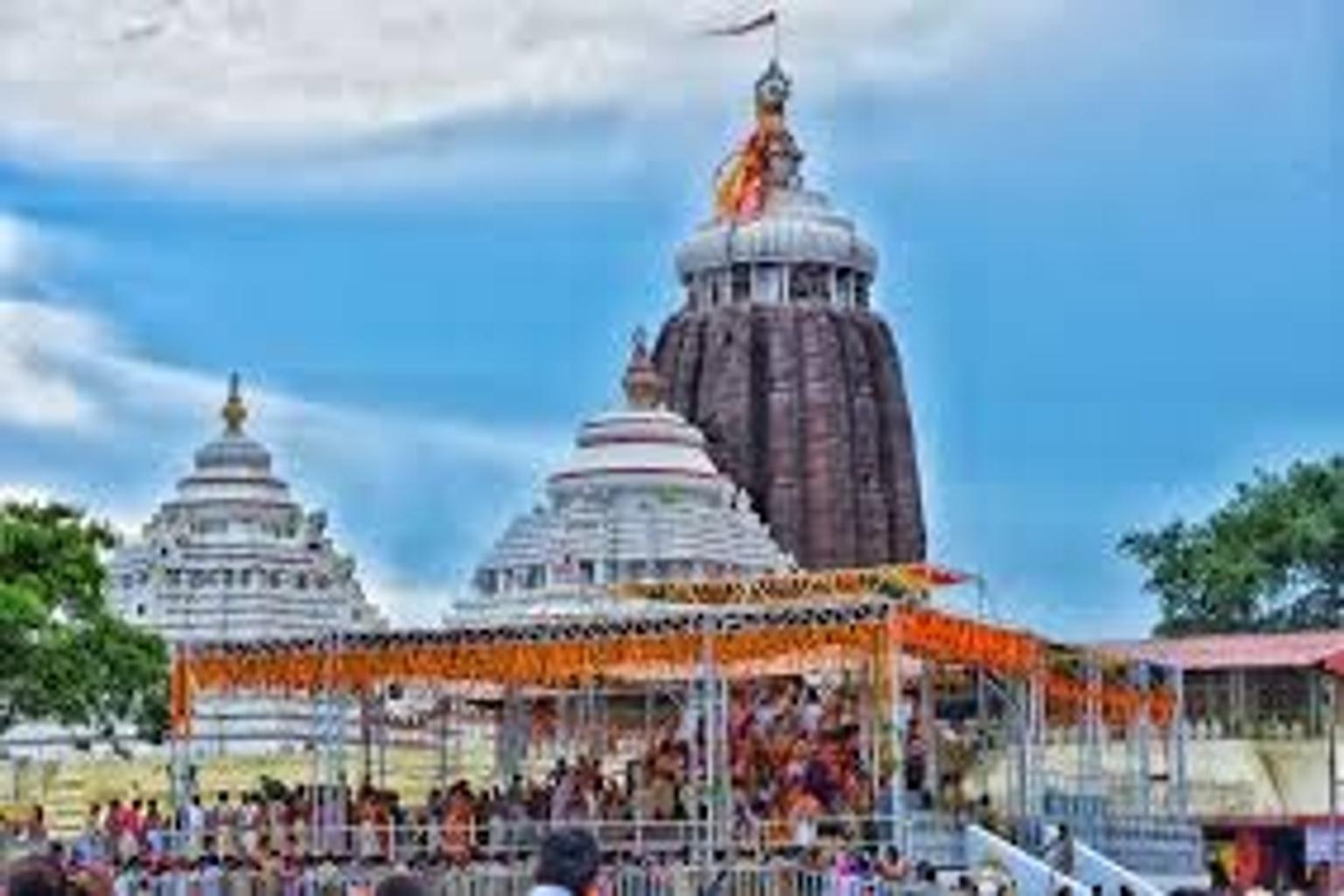
Shree Jagannath Temple is one of the most sacred and iconic Hindu temples in India, located in the coastal town of Puri in the state of Odisha. Dedicated to Lord Jagannath, a form of Vishnu, along with his siblings Balabhadra and Subhadra, the temple is a major pilgrimage destination and a key part of the Char Dham Yatra, which holds immense spiritual importance for Hindus.
The temple’s history dates back to the 12th century when it was built by King Anantavarman Chodaganga Deva of the Eastern Ganga dynasty. Over centuries, it has evolved into not just a religious center but also a symbol of Odisha’s rich culture, architecture, and devotion. The temple stands as a testimony to ancient craftsmanship and religious traditions that continue even today.
Architecturally, the temple is a magnificent example of Kalinga-style temple design, featuring towering spires, intricate carvings, and massive walls. The main sanctum, known as the Vimana, rises impressively above the complex and is visible from miles away. The temple complex is surrounded by high fortified walls, adding to its grandeur and sense of sanctity.
One of the most unique aspects of the temple is the wooden idols of Lord Jagannath, Balabhadra, and Subhadra. Unlike stone idols found in most Hindu temples, these deities are carved from sacred wood and are periodically replaced in a ritual known as Nabakalebara. This rare tradition symbolizes the cycle of birth and rebirth and draws thousands of devotees during the ceremony.
The temple is world-famous for its annual festival, the Rath Yatra, also known as the Chariot Festival. During this grand event, the deities are placed on massive decorated chariots and pulled through the streets of Puri by thousands of devotees. The festival attracts millions of pilgrims and tourists from across the globe, creating an atmosphere of immense devotion and celebration.
Another remarkable feature of the temple is its kitchen, which is considered one of the largest in the world. Hundreds of cooks prepare Mahaprasad (sacred food) every day using traditional methods. The food is cooked in earthen pots stacked over wood-fired stoves, and it is believed that the taste and quantity of food remain perfect regardless of the number of devotees visiting.
The temple follows strict rituals and daily ceremonies that have been practiced for centuries. From early morning prayers to night rituals, every activity is performed with precision and devotion. The priests, known as servitors, belong to hereditary groups and play a vital role in maintaining the temple’s traditions.
Interestingly, the temple is also associated with many mysterious beliefs and unique phenomena. For instance, it is said that the temple flag always flutters in the opposite direction of the wind, and the Sudarshan Chakra atop the temple appears the same from any direction. These fascinating aspects add to the temple’s spiritual aura and intrigue.
The temple not only serves as a place of worship but also as a cultural hub, influencing Odia art, music, dance, and literature. Festivals, rituals, and traditions associated with the temple have deeply shaped the identity and heritage of Odisha over centuries.
Today, Shree Jagannath Temple continues to be a beacon of faith, unity, and devotion. It welcomes millions of devotees each year who come seeking blessings, peace, and spiritual fulfillment. The temple remains a timeless symbol of divine presence and cultural pride in Odisha.